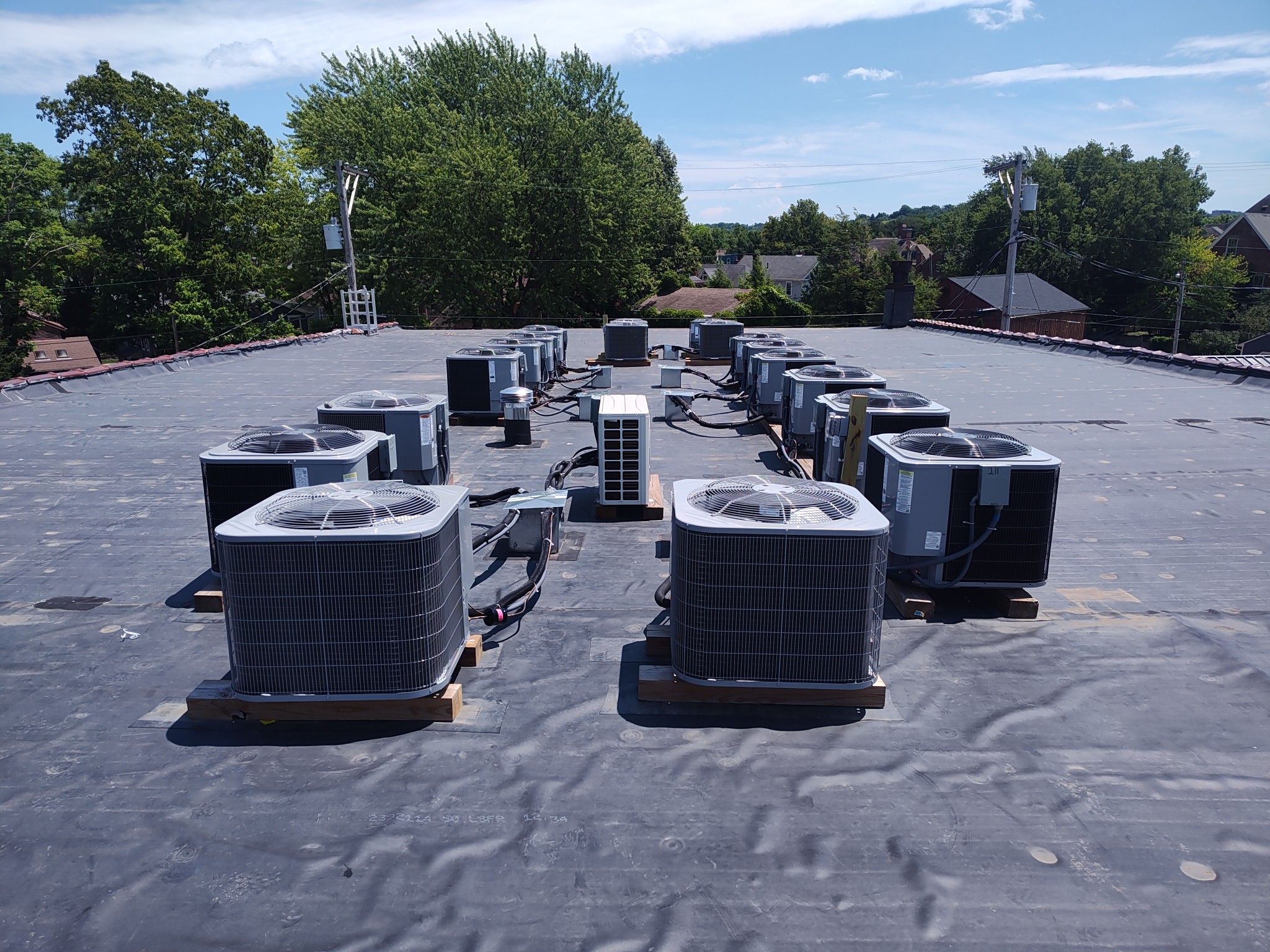
Comparing Heating Technologies: Traditional vs. Modern HVAC Solutions May 01, 2026
Traditional heating systems, such as furnaces and boilers, have been in use for decades. These systems often rely on burning fuel like oil, natural gas, or coal to produce heat, which is then circulated through ducts and radiators. One of the primary advantages of traditional systems is their ability to provide reliable, high-capacity heating, especially in extremely cold climates. Furnaces, in particular, are known for their long lifespan and ability to heat homes rapidly. Boilers, on the other hand, offer efficient space heating by providing consistent warmth, especially in regions where cold weather persists.
However, traditional heating systems come with their challenges. These systems can be less energy-efficient, which may lead to higher utility bills. Additionally, they require regular maintenance to ensure optimal performance and safety, as issues such as carbon monoxide leaks can be a concern.
On the flip side, modern HVAC systems, such as heat pumps and ductless mini-splits, offer technologically advanced solutions for heating your space. Modern systems are designed with energy efficiency in mind. Heat pumps, for instance, move heat rather than generating it, making them extremely efficient and cost-effective for milder climates. They can also double as air conditioners during the summer months by reversing the heat extraction process.
Ductless mini-splits offer targeted heating and cooling without the need for extensive ductwork. They provide the flexibility to heat specific zones in a building, thereby reducing energy waste. This system is ideal for home or business owners looking to customize their comfort while gaining significant energy savings.
Beyond energy efficiency, modern systems often incorporate smart technology, allowing for remote control via smartphones or smart home devices. This feature provides the convenience of adjusting your heating system even when you're not at home, ensuring you save energy and optimize comfort. Many modern systems are also quieter and produce better air quality than their traditional counterparts, enhancing the indoor environment's overall health.
Choosing between traditional and modern HVAC solutions depends largely on factors like your budget, regional climate, and specific heating needs. For homes in colder regions, where robust heating is imperative, a high-efficiency furnace or boiler might be the best choice. Conversely, for moderate climates, where both heating and cooling needs are variable, a heat pump or ductless system can provide a versatile solution.
R2 Services & MastersTouch recommends having an in-depth consultation with an HVAC professional to evaluate your specific requirements. This approach ensures that you invest in a system that not only meets your current heating needs but is also adaptable to future demands.
In conclusion, both traditional and modern HVAC systems have their advantages and potential drawbacks. By understanding these options, you can make a more informed decision that aligns with your comfort goals and energy efficiency aspirations. Whether you're upgrading an existing system or installing a new one, the choice will ultimately shape your comfort level and operational costs for years to come. For expert advice tailored to your unique situation, reach out to the team at R2 Services & MastersTouch today, and ensure your heating system serves you well throughout the seasons.
/filters:no_upscale()/filters:format(webp)/media/bfef41e6-07a9-454d-a3a5-840cd354e147.jpeg)