The Impact of Climate Change on HVAC Demand: Preparing for the Future Jun 21, 2026
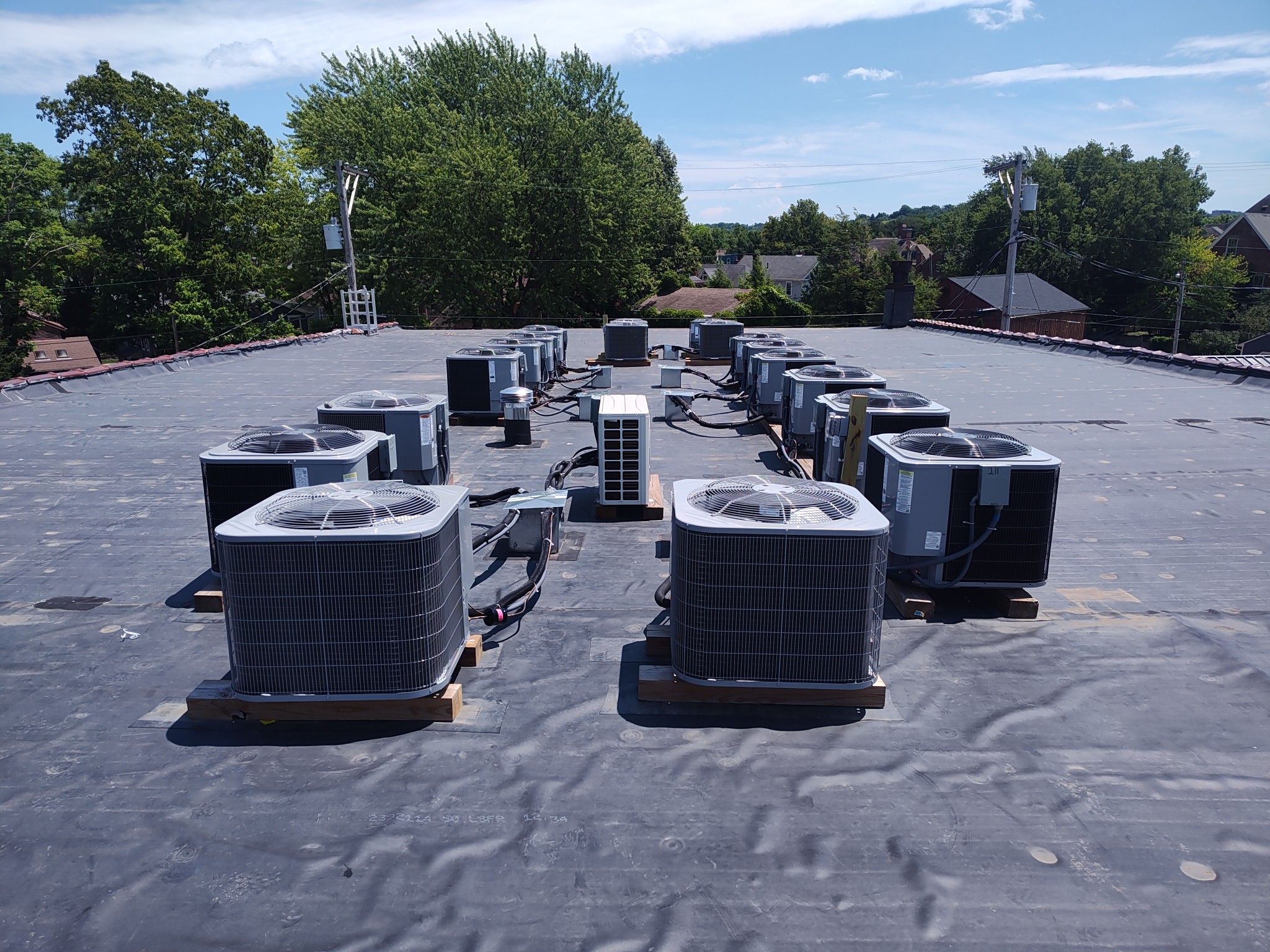
Climate change drives temperature extremes, causing both hotter summers and colder winters in many regions. As temperatures soar, the demand for cooling systems spikes. Homeowners and businesses increasingly rely on air conditioning to maintain comfortable indoor environments, increasing demand for efficient HVAC systems. Conversely, in the winter, as some areas experience colder weather than usual, heating systems must work harder to keep up.
The increased frequency and intensity of extreme weather events, such as hurricanes and tornadoes, also play a significant role in HVAC demand. With severe weather, homes and businesses can suffer damage, potentially impacting HVAC systems directly. Repair and maintenance services are then in high demand to restore functionality and ensure energy efficiency. Moreover, unpredictable weather patterns require more adaptable and resilient HVAC solutions, which can endure various climate conditions, making regular servicing essential.
Energy efficiency becomes a priority as energy consumption grows along with HVAC usage due to changing climates. Both environmental concerns and rising utility costs prompt homeowners and businesses to seek more energy-efficient HVAC solutions. Investing in modern, efficient HVAC systems not only conserves energy and reduces carbon footprints but also offers financial savings on energy bills.
One effective preparation strategy for customers is to invest in regular HVAC maintenance. Scheduled maintenance ensures systems run efficiently, reducing the likelihood of unexpected failures during peak demand seasons and extending equipment life, thereby saving money in the long run. Professionals can assess system performance, identify potential improvements or necessary upgrades, and ensure compliance with the latest energy-efficiency standards.
Another forward-thinking approach is to adopt smart HVAC technology and systems. Integration of smart thermostats and connected devices allows for more precise climate control and energy use monitoring. These technologies adjust HVAC settings based on occupancy and time of day, optimizing performance and efficiency. Furthermore, smart systems enable remote access, providing convenience and better control, especially critical during extreme temperatures.
R2 Services & MastersTouch is dedicated to helping customers navigate these changes. Our expertise in modern, efficient HVAC solutions ensures that your systems not only meet today’s demands but are also prepared for what the future holds. Our team recommends considering system upgrades, embracing energy-efficient models, and utilizing maintenance plans tailored to meet specific climate challenges.
In conclusion, climate change significantly impacts HVAC demand, driving the need for efficient, adaptable systems. By investing in regular maintenance and exploring advanced technologies, homeowners and businesses can not only maintain indoor comfort but also prepare for future climate uncertainties. As the climate continues to change, staying informed and proactive is key. Let R2 Services & MastersTouch partner with you to ensure your HVAC systems are robust, efficient, and ready for the future.
/filters:no_upscale()/filters:format(webp)/media/bfef41e6-07a9-454d-a3a5-840cd354e147.jpeg)