Understanding the Latest HVAC Technologies: Enhancing Efficiency and Comfort May 17, 2026
The core of modern HVAC systems revolves around energy efficiency. New technologies, such as smart thermostats and variable-speed systems, are at the forefront of this evolution. Smart thermostats, for instance, adapt to your daily routines, learning your heating and cooling preferences over time. By optimizing temperature settings, these devices can significantly reduce energy consumption, which not only decreases your utility bills but also minimizes your carbon footprint. Moreover, smart thermostats offer remote connectivity, allowing you to control your HVAC system through a smartphone or tablet from anywhere, adding a layer of convenience and peace of mind.
Variable-speed technology is another breakthrough that is transforming HVAC systems’ efficiency and performance. Unlike traditional HVAC units that operate at full capacity until the desired temperature is reached, variable-speed units adjust their output based on the immediate requirements of your space. This capability ensures that the system operates at optimal efficiency, providing a more consistent indoor climate and cutting down on energy wastage.
Innovations in air filtration and purification have also made a significant impact. As people become more aware of indoor air quality, advanced air filters and purification systems have become essential components of modern HVAC setups. These systems effectively remove allergens, pollutants, and even viruses from the air, ensuring a healthier indoor environment. For families with allergies or respiratory issues, investing in such systems can notably enhance their quality of life.
Energy recovery ventilators (ERVs) and heat recovery ventilators (HRVs) are also gaining popularity. These systems improve indoor air quality by exchanging the stale indoor air with fresh outdoor air, all while minimizing energy losses. ERVs and HRVs are particularly beneficial in tightly sealed homes that retain energy but may suffer from poor ventilation. By maintaining a balanced indoor environment, these systems ensure that residents enjoy fresh air without compromising energy efficiency.
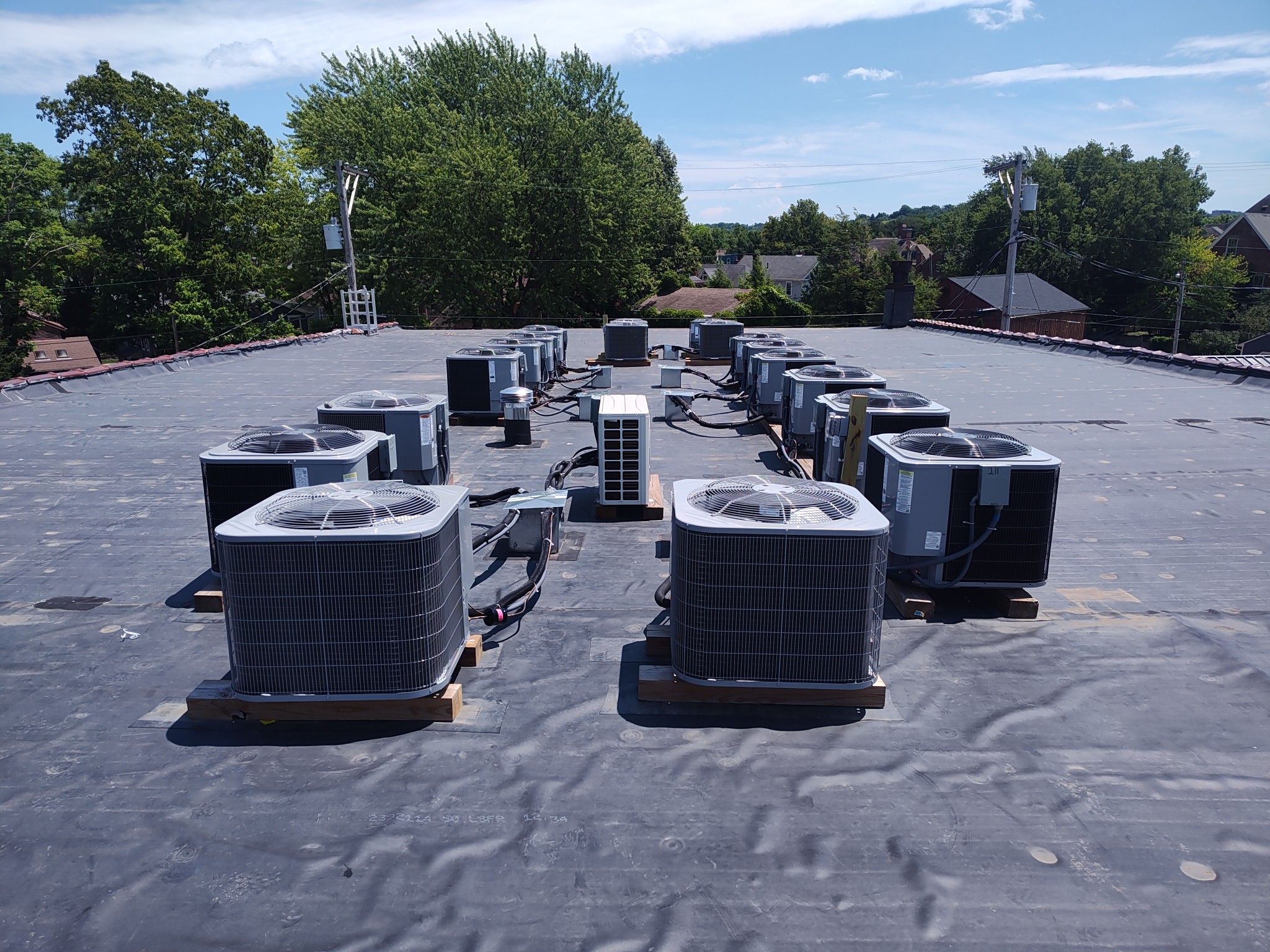
Additionally, ductless mini-split systems offer flexibility and high efficiency, making them an attractive choice for diverse applications. These systems are ideal for room additions or spaces where traditional ductwork is impractical. Ductless systems allow for zoning, meaning you can set different temperatures for different areas of your home, further optimizing energy use and comfort.
For those considering HVAC upgrades, it is essential to look into systems that are compatible with renewable energy sources. Hybrid HVAC systems that integrate solar or geothermal energy can dramatically reduce dependency on conventional energy sources. While the initial investment may be higher, the long-term savings and environmental benefits make these systems worthwhile.
To conclude, investing in the latest HVAC technologies not only enhances comfort but also optimizes energy efficiency. As a customer of R2 Services & MastersTouch, staying informed about these innovations is key to selecting systems that align with your comfort needs and environmental goals. By understanding these advancements, you can make decisions that lead to greater savings, improved indoor air quality, and peace of mind. Always consult with a trusted HVAC professional to ensure a seamless transition to these new systems, ensuring they are tailored to meet your specific requirements.
/filters:no_upscale()/filters:format(webp)/media/bfef41e6-07a9-454d-a3a5-840cd354e147.jpeg)